
Solar now
Start with daytime use.
Your new array can supply some of the electricity used at home while the sun is available. Generation, demand and tariffs shape how useful that energy is.
Solar generationDaytime home use
Solar now, battery later
Solar for the way you live now, with a clearly nominated pathway if you choose to add storage later.
Explore my solar planNo contact details needed to start exploring.
Explore installed solar costsSolar can supply your daytime electricity use.
Conceptual planning sequence. A battery is not included in this starting pathway; future equipment needs confirmation.
Your new array can supply some of the electricity used at home while the sun is available. Generation, demand and tariffs shape how useful that energy is.
If you later choose a battery, the nominated pathway gives that conversation a clear starting point. The battery, controls and any backup are confirmed as part of that later work.
Illustrative planning sequence. No battery is installed at the solar stage. A hybrid label alone does not establish compatibility with every future battery.
See how home energy worksThree conversations before the first installation.
Plan a complete solar system for today's use and record what a future battery would need. That makes the inverter decision part of your longer view.
Ready for both? Explore solar + batteryDaily and seasonal demand, usable roof area and shading shape the solar array. An electricity bill helps us start with the household as it is.
Today's use before a system size.Nominate the future battery family, coupling method and supported controller. Some batteries use a retained hybrid inverter; others have a different connection pathway.
A named pathway before a battery-ready label.Your supply phase, metering, a possible battery location and any future backup priorities all matter. The chosen equipment should make its supported options clear.
Future priorities in the written design.Explore arrays and inverters together. The inverter is selected for the property and nominated storage pathway; separate products here are not a confirmed compatible bundle.
Explore the product libraryScroll to explore. Save what interests you. Compare the detail.
5 products in this range

On the roof
Jinko 475W Neo All-Black (n-type)
Explore this product
On the roof
Aiko Neostar 475W 3S (n-type, all-black) ABC series
Explore this product
System control
SigenStor system controller
Explore this product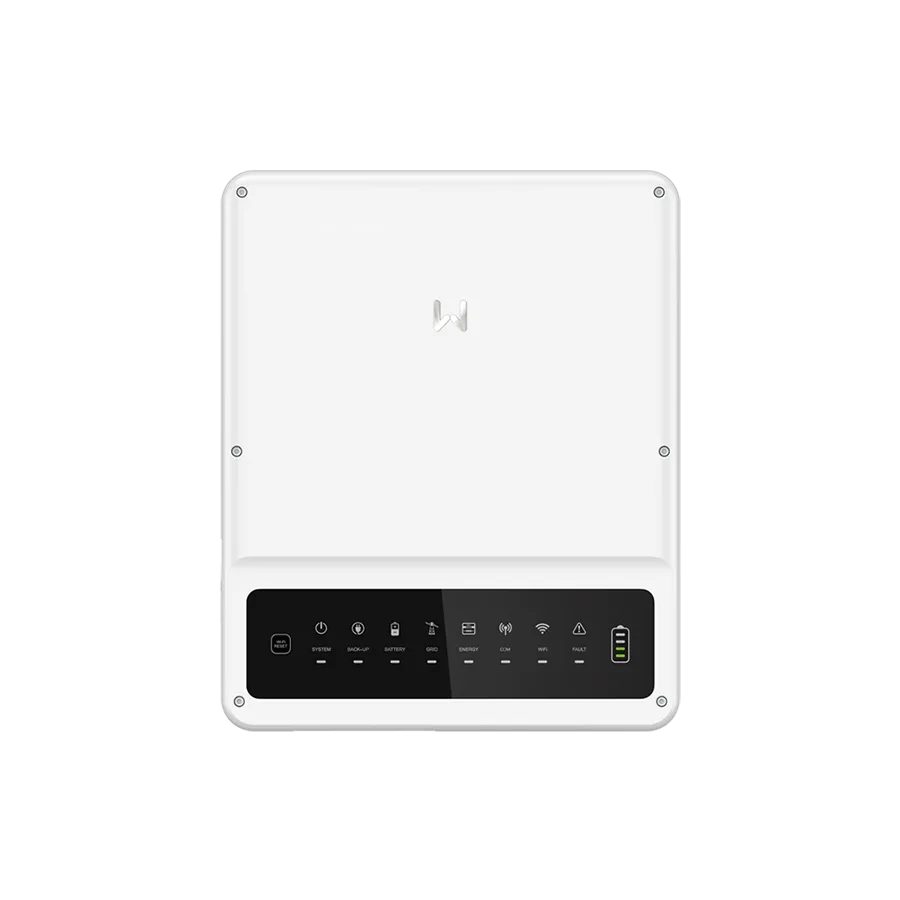
System control
Battery-ready · exact model confirmed
Explore this product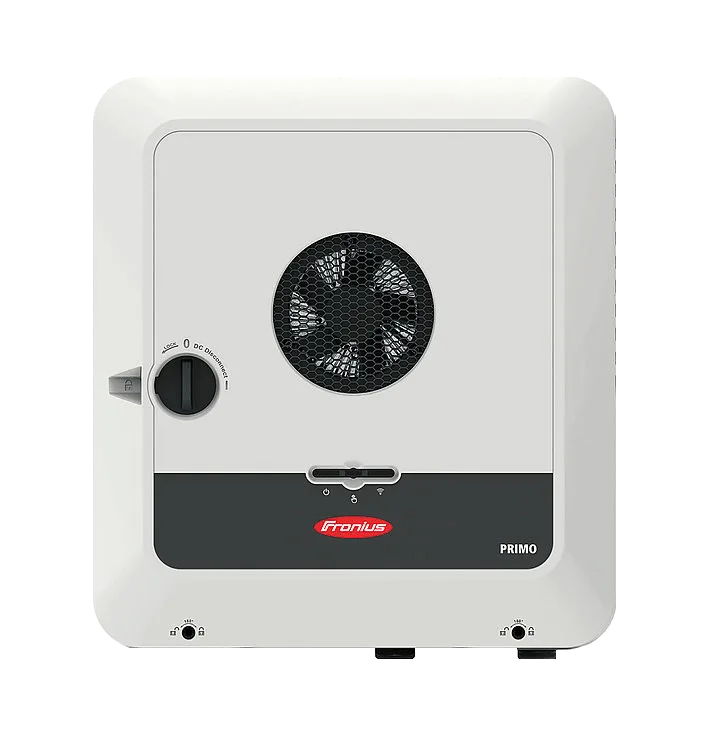
System control
Primo + Symo · exact model confirmed
Explore this productExact equipment and compatibility need confirmation for your property.
Open my comparison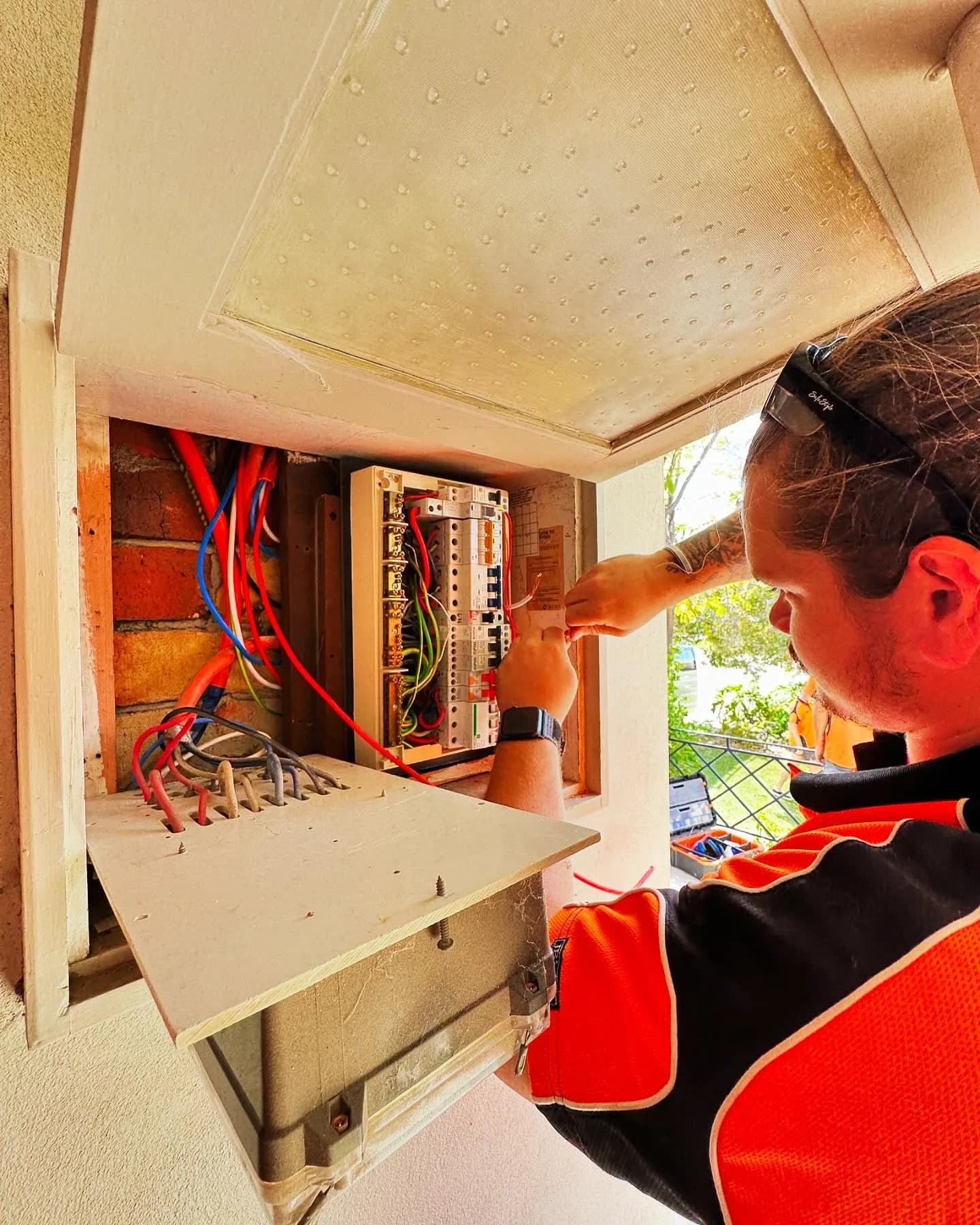
The future pathway belongs in the first design.
Your written system should explain the array, inverter, monitoring and installation scope. It should also record the supported future storage family, connection method and any space or control provisions agreed for later.
Site details and exact equipment are confirmed before your final quote.
Talk it through with our teamUnderstand what battery-ready means, compare solar and controllers, and explore installed solar costs. The final design records your future pathway alongside the system being installed now.
Explore installed solar costsThe future storage family, coupling method, phase, metering and backup pathway must be nominated. A generic hybrid label alone does not confirm every future battery option.
That depends on the selected battery. Some use the retained hybrid controller, some are AC-coupled and some all-in-one systems replace the original inverter pathway.
A few things about your home and what you might want later. Start with a solar plan that keeps the next decision clear.
Explore without leaving your contact details. Ask for a quote when you are ready.