
In this article
You booked a sparky to put two power points in the garage. Nobody mentioned the battery on the wall outside, because why would you, it has nothing to do with the garage.
Say it anyway. Say it when you book, not when they pull up.
Battery backup and isolation
Here is the difference between a battery and everything that came before it. Pull the main switch on a house with solar and no battery, wait for the inverter to shut down, and the installation goes dead. That has been true for years and every electrician in Perth has it in muscle memory.
A battery breaks that. It holds energy that does not care whether the grid is up or the sun is out. Some setups keep backup circuits alive on purpose while the rest of the house is dark, and the way that is wired varies a lot between brands and between installs. Two houses in the same street can be configured differently.
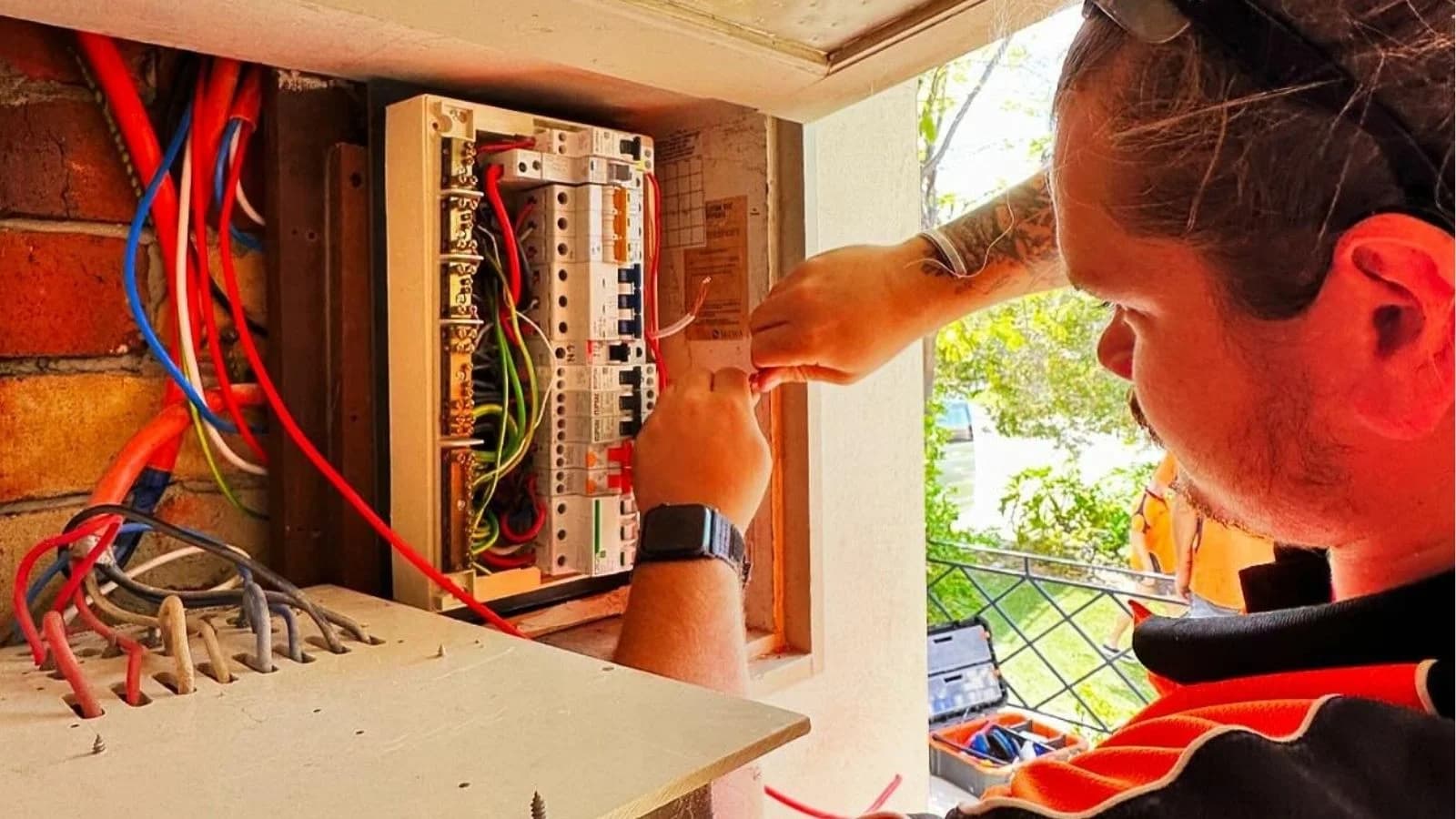
The Electrical Contractors Association of WA flagged this to its members on 4 September, and the case it raised was not battery work at all. It was ordinary residential jobs. Extra power points. Downlights. An EV charger. Its technical team is fielding more and more calls from electricians who have arrived at a house, found a battery, and correctly stopped to work out what they are dealing with before touching anything.
That is the right instinct. It also takes time on site that nobody quoted for.
Preparing for electrical work
Three things, and none of them are hard.
Expect the quote to move if the job touches the switchboard. This is the part that annoys people, so it is worth explaining rather than letting it land as a surprise. Under AS/NZS 3000 clause 2.6.3.2.5, an alteration or a switchboard replacement in an existing installation brings RCD protection obligations with it. Where circuits can run off the battery in backup mode, the RCD has to be the type the inverter manufacturer specifies. A $400 job can turn into a bigger one, and that is the standard doing its job rather than someone padding an invoice.

Choosing a contractor and discussing costs
We are not going to tell you that you have to call us back for every small electrical job in the house. You do not. Any licensed electrical contractor can put a power point in your garage, and plenty of good ones around Perth will do it cheaper and sooner than we will. Use them.
And we are not going to tell you the other bloke is trying it on when the price goes up after he opens the switchboard. Sometimes he has just found real work that has to be done. Ask him which clause he is applying and what it covers. A good sparky will answer that in about ten seconds and will not mind being asked.
What we would say is this. WA has put a lot of batteries on a lot of walls in the last two years, and most of them will be worked around, at some point, by an electrician who has never seen that house before. The bit that makes that safe is not clever. It is a legible label, paperwork you can hand over, and a homeowner who says "there is a battery" at the time of booking rather than after the job has started.
Lost your handover pack, or not sure what is behind your meter box. Get in touch and we will sort you out a copy: contact us.