
In this article
The Clean Energy Regulator has published its full-year battery inspection results, and the number doing the rounds is that 62.28 per cent of inspected installations were rated substandard. If you had a battery put in during the rebate rush, that reads like a coin flip on your own roof.
Before you panic about it, look at what the rating covers.
The three inspection ratings
The regulator inspected 3,425 battery installations across Australia between 1 July 2025 and 30 June 2026, and checked 285,889 individual items across those jobs. Every system comes out with one of three ratings.
Three ratings.
Three different meanings.
Share of 3,425 inspected installations. The sample includes random and targeted inspections; it is not the likelihood that your own battery is unsafe. The total differs from 100% due to rounding.
The number that deserves attention is the small one. 0.76 per cent unsafe is about one in every 130 systems inspected.
The most common failure is a label
The regulator named labelling as the leading cause of substandard ratings. Missing or wrong warning labels. Backed-up circuits not labelled. The energy storage identification label missing or stuck in the wrong place.
Then wiring: RCDs configured incorrectly, not enough mechanical or fire protection where cable runs need it, and overcurrent protection that does not do the job.
Those two groups are not the same problem. A missing label is a paperwork failure that matters on the day an electrician or a firefighter turns up and needs to know a battery is there and how to isolate it. An RCD wired wrong is an electrical fault sitting in your switchboard. Both get you the same word in the regulator's report.
Only 392 of those inspections were in WA
The state breakdown puts Western Australia at 392 inspections for the year. NSW had 926, Queensland 718, Victoria 690. Nobody reporting the national figure is quoting the WA one.
More than 507,000 batteries have gone in nationally under the federal rebate as at 17 August. WA is a serious share of that. Against it, 392 inspections is a very thin sample.
If you are wondering whether yours has been looked at by anyone since the sparky drove off: almost certainly not.
Owner checks and professional inspections
Half of this you can check yourself in five minutes, without paying anybody.
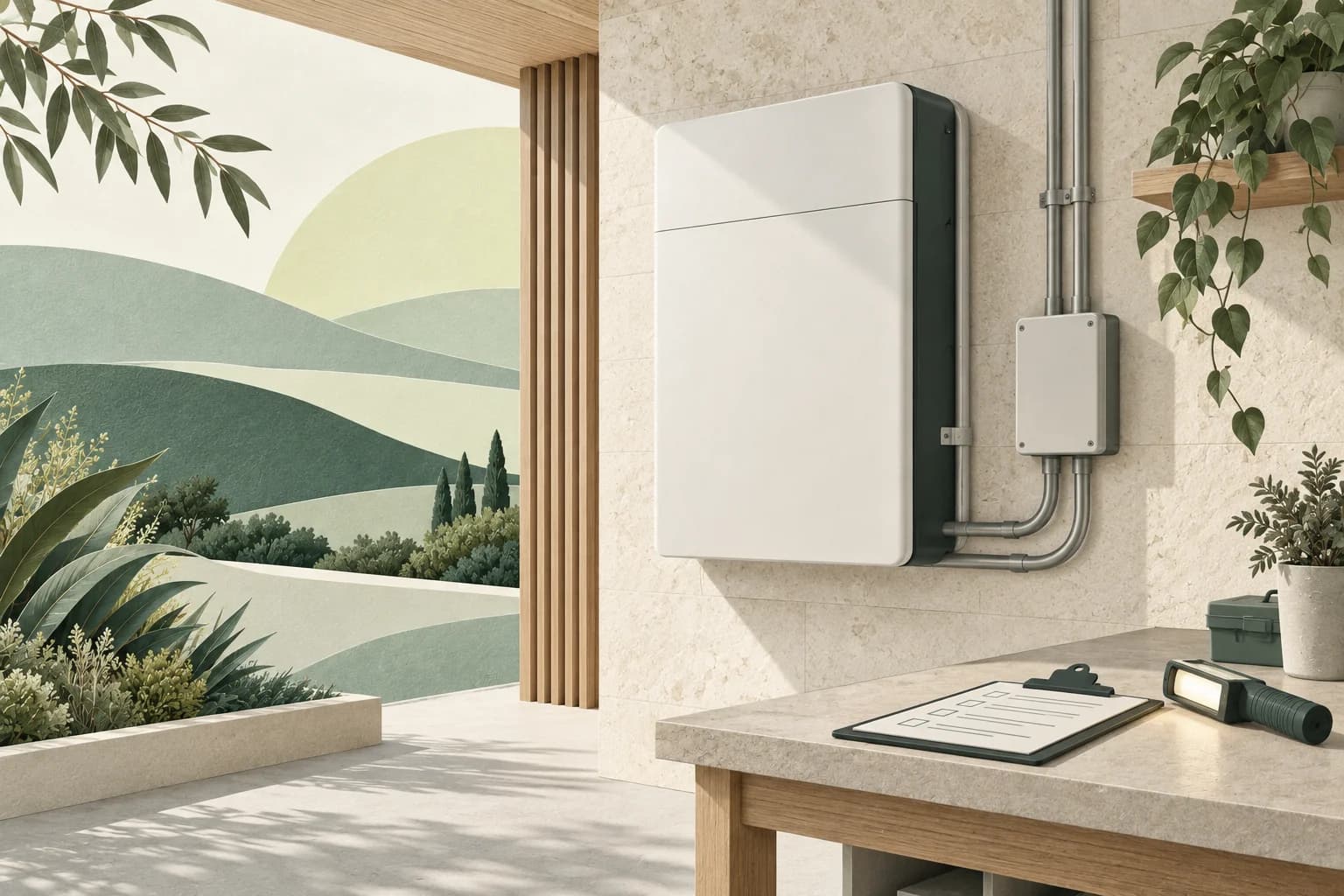
Walk out to the battery and look for the labelling. There should be a clear marking identifying it as an energy storage system, warning signage, and, if you have a backup circuit, a label telling anyone working on the board that part of the house stays live when the grid does not. Look at your switchboard for the same. Missing stickers are the single most common finding in the whole report and they are cheap to fix.
What you cannot check is the part that matters more. RCD selection and configuration, cable protection where a run passes something that can chew through it, separation distances and fire ratings around the enclosure. That is an electrician's job with the covers off.
If your install was unhurried, done by an accredited installer you can still get on the phone, and the labelling looks right, you do not need to buy anything. There is no "battery health check" package worth paying for on the strength of this report. Anyone using the 62 per cent figure to sell you an inspection is using a number they have not explained to you.
If your install went in fast during the rebate surge, or the company that did it has since gone quiet, an hour of a licensed electrician's time is money well spent. Bring your original paperwork out with you. The install should have come with a compliance certificate, and if nobody can produce one, that is the real finding.
The fix is on installers
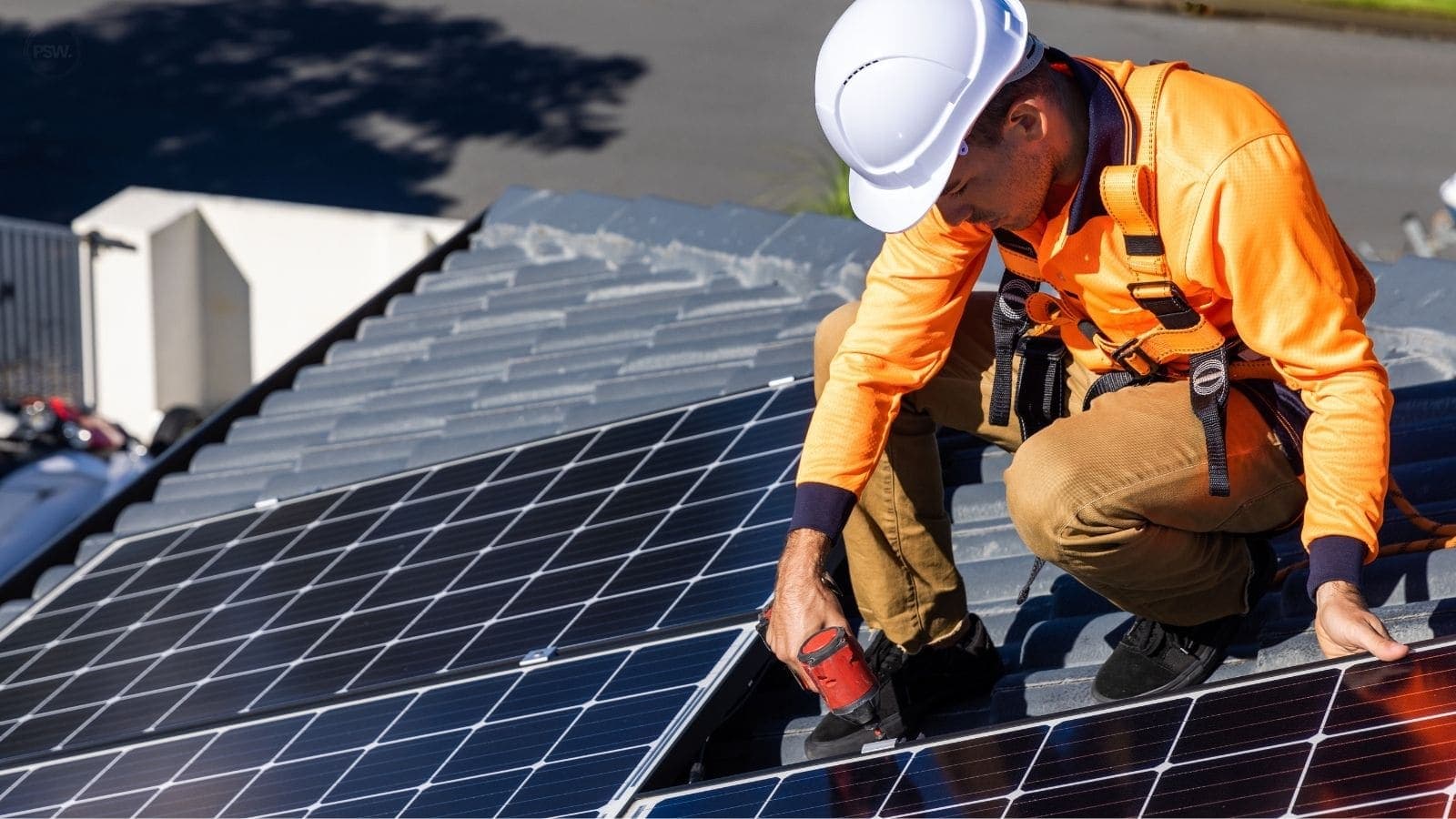
Most of what the regulator recorded is installers not finishing the job. Labels are the least interesting part of an install and the easiest to skip when the next one is booked for 1pm. That is an industry failure, and it does not get fixed by 500,000 households auditing their own switchboards.
As a buyer, take one thing from the report: the install matters more than the battery. Every brand in this market ends up in the same set of numbers, because the hardware is not what is failing. The hands are.
Get a quote if you want a Perth install done by people who label the board.
Sources
- Clean Energy Regulator, solar battery inspection results report, 1 July 2025 to 30 June 2026
- Cheaper Home Batteries Program installation figures, Australian Government, 17 August 2026