
In this article
A used Powerwall shows up on Marketplace for eight or nine grand and it looks like the bargain of the year. Half the price of a new one. Sometimes it is even the right model.
Buy it and you inherit two problems the seller does not have.
Used-battery incentive eligibility
This is the one that costs the most money, and almost nobody knows about it until the paperwork is refused.
Small-scale technology certificates are what the federal battery rebate is made of. They are created once, against a specific piece of equipment, at the point it is first installed. The Clean Energy Regulator's own worked example is a house that replaces some panels but keeps its existing inverter: that update earns nothing, because the inverter has already been used to claim certificates.
Same logic, same outcome for a battery. If certificates were created on that unit at its first address, there are none left for its second. Nothing about the transaction resets it. Not a receipt, not a new owner, not a gap of five years in a shed.
So price the thing properly. A new battery of that size carries several thousand dollars of rebate off the sticker. A used one carries none. Once you put those side by side, the Marketplace bargain often lands within a few hundred dollars of just buying new, and the new one comes with a warranty and someone to call.
From August, Tesla can switch it off
The second problem is newer. Tesla has told its certified installers that from 14 August 2026 it will remotely disable any Powerwall identified as stolen, once that unit has been commissioned.
Read the order of that carefully, because it matters. Not at the point of sale. Not when it is sitting in your garage. After it is on the wall, wired in, commissioned and working. The installer has been and gone. You have paid for the unit and paid for the install. Then it goes dark.
Tesla's advice to installers is to verify the serial number before doing the work. We will do that check for anyone who asks, and we would rather do it before the booking than after.
Home batteries have become worth stealing. A Powerwall is a five-figure item that lives on an outside wall, and the ones showing up secondhand are not all coming from house sales.
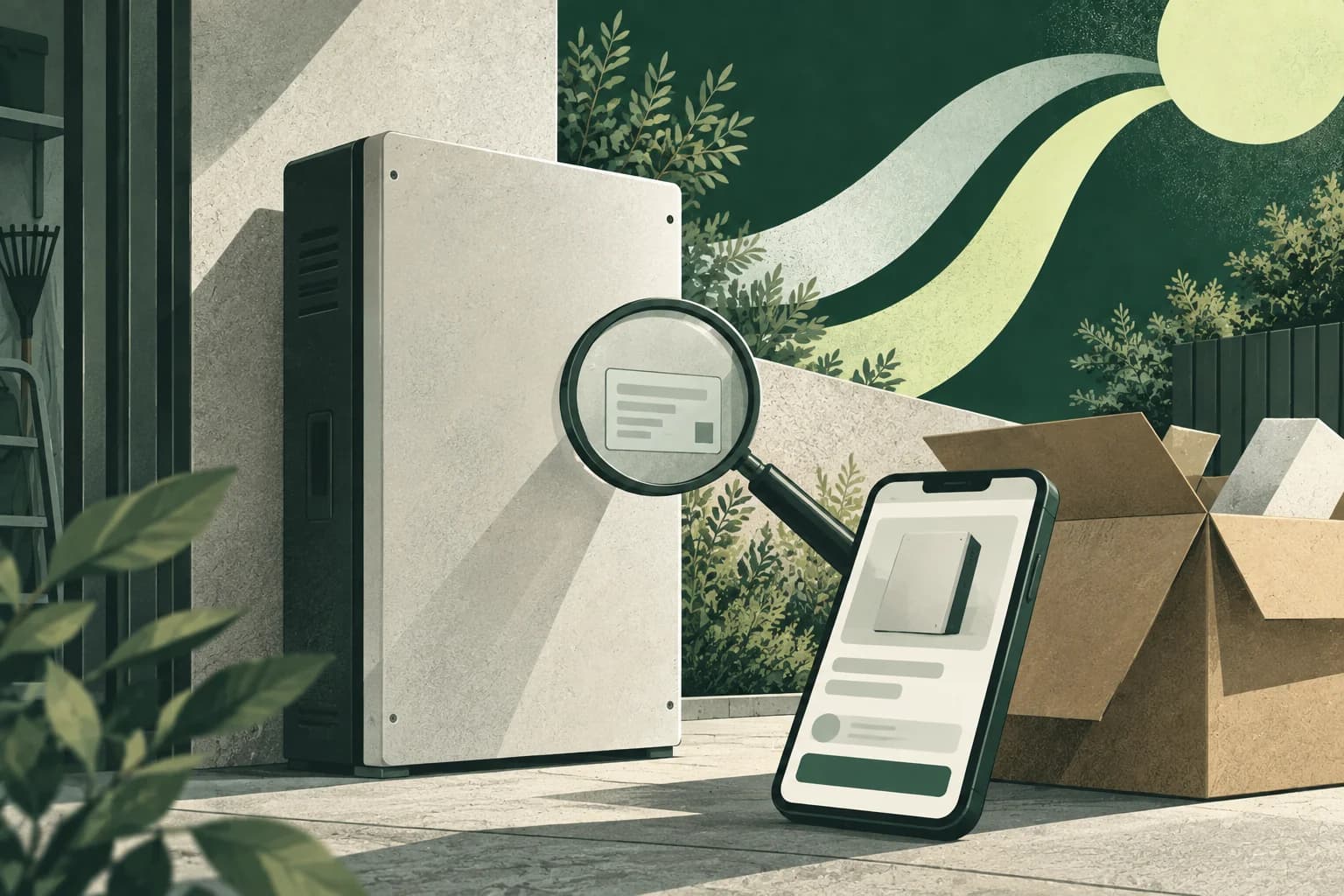
The seller's information
Worth saying plainly, because this reads harsher than it is meant to. Most people selling a used battery are not running a scam. They knocked the house down, or moved interstate, or the system got upgraded and the old unit came off the wall in one piece.
They just have no idea about any of the above. The rebate was handled by their installer four years ago and they never thought about it again. So you are not going to get a warning from the listing. You have to do the checking yourself.
Checks after purchase
If it comes back clean, fine, we can install it. It still will not carry a rebate, and warranty is a separate question worth putting to Tesla in the same email, because a transferred unit is not automatically a covered one. If it comes back flagged, you have found out at the only point where finding out is still useful.
And if you are only thinking about it, the honest version is this: on a like-for-like Perth job, the rebate on a new battery closes most of the gap, and everything that can go wrong with the used one goes wrong after your money has left. That is a bad shape for a deal.
If you want the numbers run on a specific unit against a new install, get a quote and we will put both columns next to each other.