
In this article
If your system went on in 2013, the panels coming off your roof are not rubbish and they are not treasure. They are about 400kg of aluminium, glass and silicon that has to be lifted down, stacked, driven somewhere and handled by someone. That costs money. It is why removal and disposal shows up as its own line when we quote a replacement, and it is the line people query most.
So here is the honest state of it.
WA recycling funding and collection planning
The state put $17.8 million into solar and battery recovery in the 2026-27 budget. Of that, $13 million goes to building end-of-life solar collection and recycling pathways, $3 million to embedded battery collection at council facilities, and $1.8 million to running both. The Department of Water and Environmental Regulation runs the program.
What it has not done yet is finish it. The work is at baseline assessment stage, which is the polite term for working out where panels in WA go today before designing where they should. The Smart Energy Council has been commissioned to do that groundwork, and installers across the state were sent a survey on 25 August. It closes 9 September.
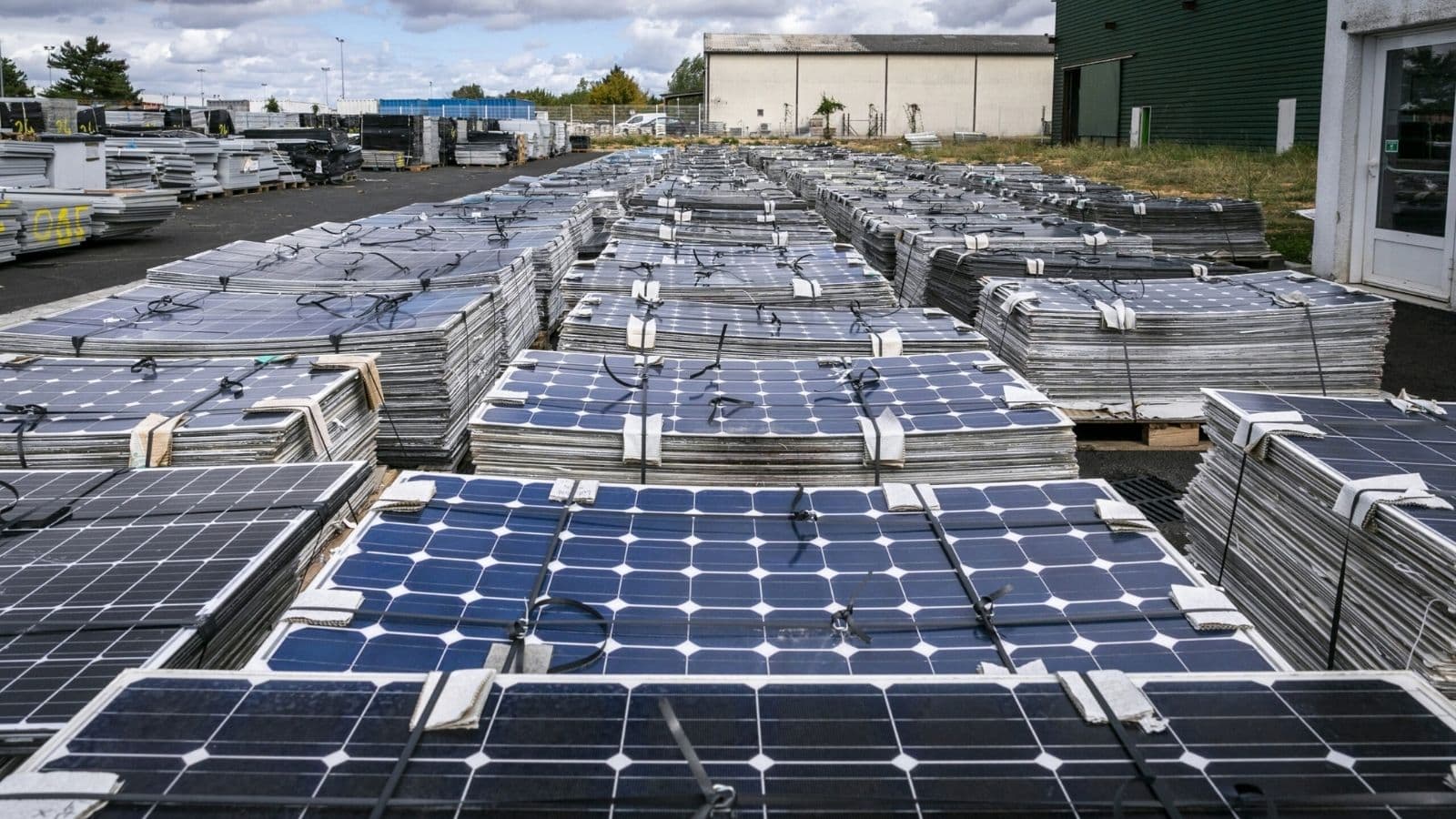
Meanwhile WA has one dedicated solar panel recycling facility, Cyber Recycling, able to take more than 2,500 end-of-life panels. Set that against a state with one of the highest rooftop solar rates in the country and a first generation of systems now turning fifteen and twenty. The maths is not subtle.
Replacement timing and disposal costs
This is the part where we could tell you to hold off until there is a rebate on disposal. We are not going to, because there probably will not be one soon and waiting costs you more than it saves.
Nothing has been decided. There is no WA disposal rebate, no levy, no collection scheme you can book into. A recycling fee has been floated nationally as one possible answer, and it is a proposal people are arguing about, not a thing that exists. Anyone quoting you a future disposal saving is guessing.
The national pilot that would have set the pattern is not helping either. Canberra announced $24.7 million in January for a recycling pilot covering up to 250,000 panels across about 100 sites. It was suspended in May while a complaint about the tender gets investigated, and there is still no restart date. That is why WA is building its own.
So if your inverter has died, or half a string has stopped producing, or you are adding a battery and the old array cannot carry it, the disposal question should not be what decides your timing.
Panel removal and transport
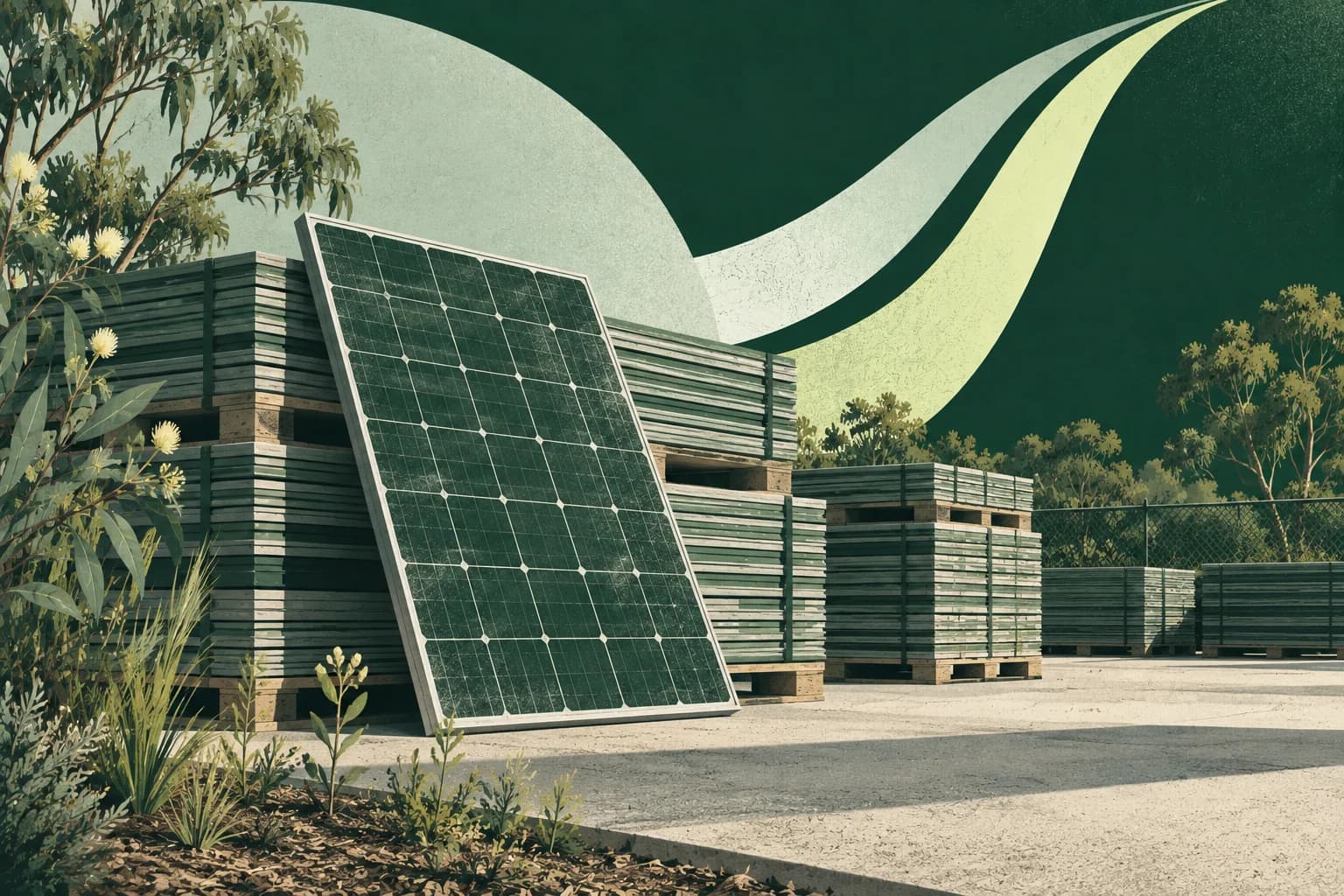
Twenty-two panels, a roof, and a ladder. Someone isolates and disconnects the array, unclips and lifts every panel down without cracking glass, strips the rails and the old DC cabling, patches the penetrations, then loads and transports the lot to somewhere that will take it. Panels are awkward, they are heavy, and broken glass is a different disposal category to intact modules.
We keep them intact where we can, because an intact panel has somewhere to go and a cracked one mostly does not. That is not sentiment about recycling. It is the difference between a load being accepted and being turned away.
The installer survey
The people being asked how WA''s collection system should work are installers, recyclers, repair operators, councils and safety specialists. If you deal with transport distances, storage, or the labour of getting panels off a roof, the survey closing 9 September is the formal channel for that view. It is DWER''s commissioned engagement, not an industry body canvassing its own members.
Replacing a system and want the old array dealt with properly? Get a quote and we will price the removal as its own line, so you can see exactly what it is.