
In this article
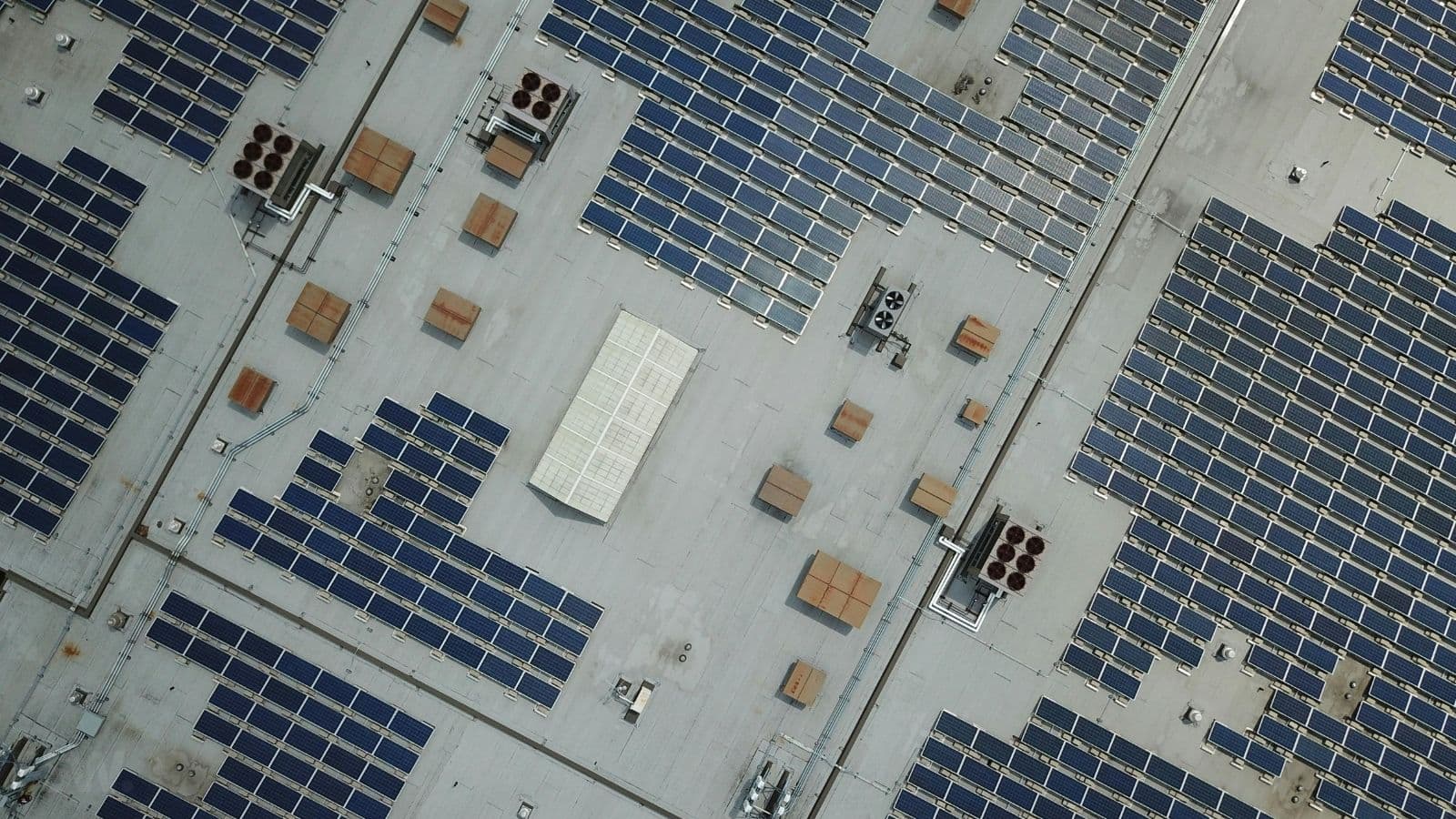
Eligible commercial solar systems above 100 kW and up to 1 MW can now access the Small-scale Renewable Energy Scheme (SRES). The expanded rules apply to installations from 1 October 2026. For a WA business, the certificate benefit is one part of the decision. The roof, daytime electricity use and network connection still need to support the design.
Which systems can qualify?
The mid-scale solar regulations are in force. The relevant capacity is more than 100 kW and no more than 1,000 kW, including related solar devices and related power stations where the rules require them to be counted.
This matters if you already have solar, share a site or plan several stages. The capacity of the new array alone may not establish eligibility. Have the system boundaries and metering arrangements checked before treating a certificate estimate as part of the budget.
Exactly 100 kW remains in the small-scale category. A project at the 1 MW ceiling still has to meet the other eligibility requirements.
The CER's transitional guidance says eligible extensions can earn STCs for the additional capacity installed from 1 October, rather than retrospectively for the original array. Related capacity and any existing accredited power station need consideration.
What the certificate benefit means
Eligible mid-scale systems receive a fixed five-year deeming period. The scheme is scheduled to end in 2030. This is the generation period used to calculate certificates; it is not a promise of five years of measured savings. Small-scale systems up to 100 kW keep their declining deeming period.
STCs are tradable certificates. Owners commonly assign the right to create them to an agent in return for a discount. The number of certificates and the value offered for them determine that benefit. A fixed deeming period does not fix the certificate price or guarantee the same dollar discount in a later year.
The CER also identifies REGO certificates as an alternative for mid-scale projects. Choosing STCs prevents REGO certificate creation for the deeming period. Ask which arrangement fits your project before committing.
Use the CER's mid-scale guidance and calculator to check the current process. Any estimate still needs the site-specific eligibility and quote assumptions confirmed.
Network approval is a separate check
Certificate eligibility does not grant permission to connect or export. On the Western Power network, the completed system must meet the applicable connection and protection requirements. Those checks concern the electrical design and network connection, not just the panel capacity used for the scheme.
Western Power's technical guidance for solar installers describes requirements for larger inverter systems, including protection requirements and conditional exemptions. Have the designer establish the pathway for your site and the export arrangement in writing.
A business with substantial daytime demand may be able to use much of its generation on site. A warehouse with little daytime demand needs a closer look at surplus generation and any export revenue assumption. Compare the solar profile with actual interval data before sizing the array.
What to ask for in the quote
These are useful questions while applications are pending. They also make two quotes easier to compare. Keep the projected electricity savings separate from the certificate discount: savings depend on your demand, tariff, generation and agreed export conditions.
Prepare the site before choosing the size
- Get interval electricity data. Bills show expenditure; interval data shows when the business uses energy. Include operating hours and any planned equipment or shift changes.
- Check the roof and electrical scope. Establish usable space, structural suitability, switchboard and metering work, access and the proposed cable routes.
- Start the connection and evidence work early. Keep design records, relevant approvals, electrical compliance documents, commissioning records and installation evidence. The CER requires evidence that applicable planning and approval requirements have been met.
1 MW is an eligibility ceiling, not a recommended system size. Start with the load and the site. A larger roof does not automatically justify a larger array.
For a WA commercial project, explore the commercial planning pathway or talk through the site with PSW. Bring the interval data and any existing solar or connection documents.
Sources
Reviewed against the following primary sources on 8 October 2026. Application timeframes and project guidance may change; check the linked CER page when proceeding.
- Renewable Energy (Electricity) Amendment (Mid-scale Solar) Regulations 2026 — commencement and capacity definitions.
- Clean Energy Regulator: Mid-scale solar — installation eligibility, application timing, deeming and certificate options.
- Clean Energy Regulator: Transitional guidance — extensions, related systems and evidence requirements.
- Clean Energy Regulator: How the SRES works — certificate assignment and financial benefit.
- Western Power: Technical guidance for solar installers — connection and protection requirements.