
In this article
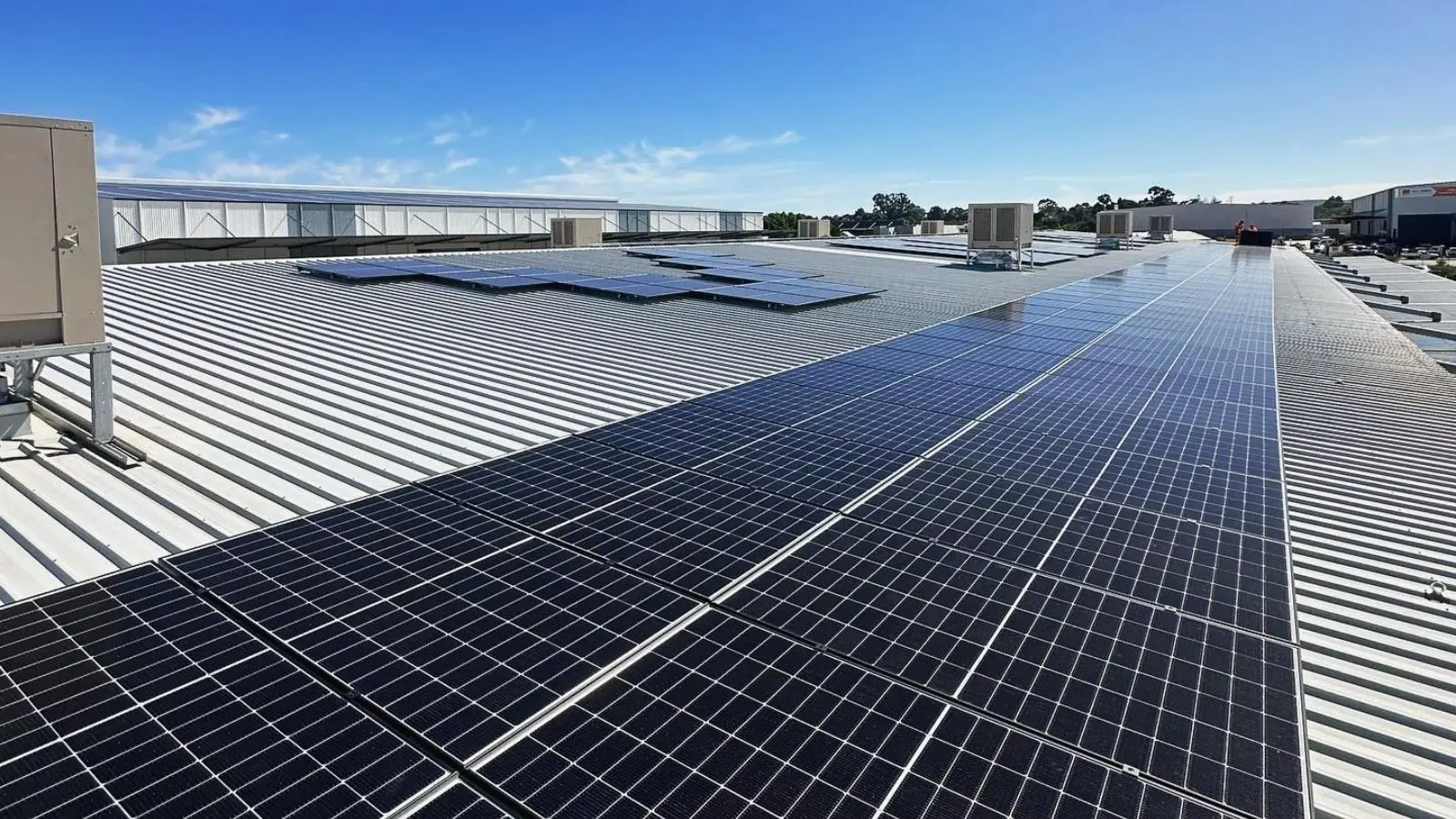
If you own or lease a warehouse, a cold store, a workshop or a packing shed and you have looked at solar on the roof, you have probably been told the rebate was the problem. That is the part being fixed. The two that stop projects here are the network connection and the lease, and neither is on the same timeline.
The Smart Energy Council published Unlocking the Missing Middle on 3 August 2026. It surveys the segment between 100kW and 30MW, the mid-sized commercial and industrial rooftops that sit between household solar and utility-scale farms. Australia leads the world on residential rooftops and builds large solar farms at pace. The middle has not kept up.
The report's own framing is that the country is sitting on a rooftop power station equivalent to about ten large coal-fired stations, mostly unbuilt.
Barriers to commercial rooftop solar
- The rebate is the one barrier with a date against it. The Small-scale Renewable Energy Scheme cap lifts from 100kW to 1MW, announced 5 August 2026 and due to commence 1 October, subject to the regulations being made.
- Everything else on the list keeps its current timeline. Four of the five fixes sit with network businesses and state regulators, not the Commonwealth.
- In the South West Interconnected System, Western Power assesses your connection on what the local network can absorb at your point of supply, not on what your roof can hold. Two sites in one industrial estate can get different answers.
- A zero export condition is still a good project for a site running plant through daylight hours. It can remove most of the case for a big roof over a small daytime load.
- If you are a tenant with three years left and no written agreement with your landlord, fix the lease before you install anything.
- The order that works: connection answer first, lease second, system size last.
Three numbers from the survey
The useful part of the report is that it puts figures against complaints the industry has been making without evidence.
- 71 per cent of respondents named slow network connection approvals as a barrier. The report puts typical approval times at around five months against a standard of 10 business days.
- 98 per cent said network pricing does not give an adequate signal to invest in solar and storage.
- Close to 75 per cent named the split between landlord and tenant over who pays and who benefits as a major obstacle.
The rebate collapse sits alongside those. The value of the certificates that underwrite mid-scale projects fell from roughly $20 to $30 down to $3 to $4, and the 100kW cap on the small-scale scheme pushed system sizes down to fit the incentive rather than the load.
The proposed incentive change
The cap is the one item on the list with a date against it. The Small-scale Renewable Energy Scheme ceiling is being lifted from 100kW to 1MW, announced on 5 August 2026 and due to commence 1 October subject to the regulations being made. The Council's report, written before that announcement, asks for exactly this.
So take the rebate argument off the table for a moment. If a 400kW system on your roof was uneconomic only because the incentive stopped at 100kW, that changes this year.
What does not change on 1 October is everything else on the list.
Western Power decides whether the roof can export
The five-month figure is a national average across distribution networks. Our commercial solar work across Perth and the South West runs into this at the connection stage on most sites. In the South West Interconnected System the counterparty is Western Power, and a commercial connection is assessed on what the local network can absorb at your specific point of supply, not on what your roof can hold.
That produces the outcome commercial clients find hardest to accept.
For a business running plant through daylight hours, that is often still a good project, because self-consumption is worth more than an export credit. For a site with a small daytime load and a large roof, a zero export condition can remove most of the case for building it. The connection answer has to come before the system design, not after. Any proposal that sizes the array first and asks the network later is guessing.
Landlord and tenant agreements
Three quarters of the industry naming the landlord and tenant split as a barrier matches what we see on tenanted industrial stock across the Perth metropolitan area. The building owner holds the roof. The tenant pays the power bill. Solar spends the owner's capital to reduce the tenant's cost, and a standard five-year lease with options does not survive the payback period of a system the tenant does not own.
Fix the lease first, or agree that the owner funds the system and recovers it through the rent. Both are ordinary commercial arrangements. Neither happens by itself, and neither is something a solar company can sign on your behalf.
The report asks for standardised lease models to remove that negotiation from every individual deal. That is the right ask. It is also the one furthest from being delivered.
Four of the five fixes are not the Commonwealth's to make
The five recommendations put to the federal Minister for Climate Change and Energy are to fast-track network approvals against enforceable deadlines, reform network pricing to give long-term investment certainty, restore rebate support and lift the system-size cap above 100kW, standardise lease models so costs and benefits can be shared, and require networks to publish capacity data so a project can be assessed before money is spent.
The Council wants a national taskforce established within six months to carry them.
That last item is worth reading carefully. A taskforce inside six months is a request, not a commitment, and four of the five items sit with network businesses and state regulators rather than with the Commonwealth. The cap change proves the federal lever works quickly when it is pulled. The connection queue is not that kind of lever.
Connection first, lease second, system size last
The practical order has not changed, and the report reinforces it. Establish what the network will allow at your point of supply. Settle who owns the system and how the benefit is shared if the building is tenanted. Then size to the load with the new cap in mind.
Sites with high daytime consumption and a secure tenure position are worth modelling now. Tenanted sites with short remaining terms and no landlord agreement are worth a conversation before a design, not after one.
The full report is published by the Smart Energy Council.